

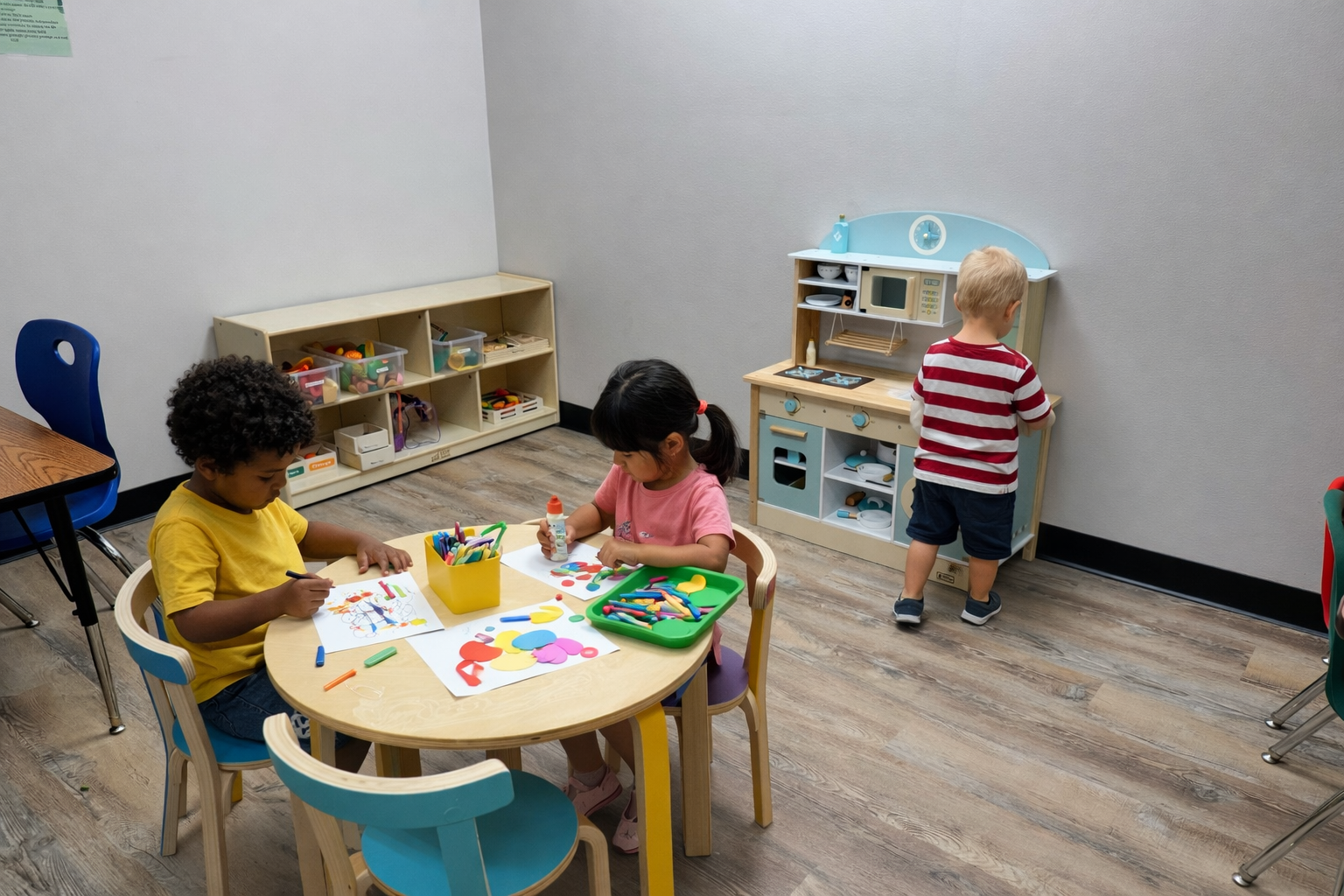
Child-centered ABA that helps children thrive
Center-based and community care in Metro Detroit, including our child-friendly Novi clinic.
Evidence-based methods, a family-centered approach, and a personalized treatment plan.
Our Approach
At Brookside, Applied Behavior Analysis (ABA) goes beyond traditional therapy—it’s a play-based, supportive approach that helps children develop communication, independence, and confidence. Our Board-Certified Behavior Analysts (BCBAs) design personalized programs tailored to each child, working closely with speech and occupational therapists to promote well-rounded, whole-child growth.
At a Glance
Ages served:
18 months – 21 years
Session length:
3–8 hrs/day
Settings:
Clinic or community
Insurance:
Accept most commercial plans
Applied Behavior Analysis (ABA) is a supportive, evidence-based approach that helps children build communication, social, and daily living skills.
What Is ABA?
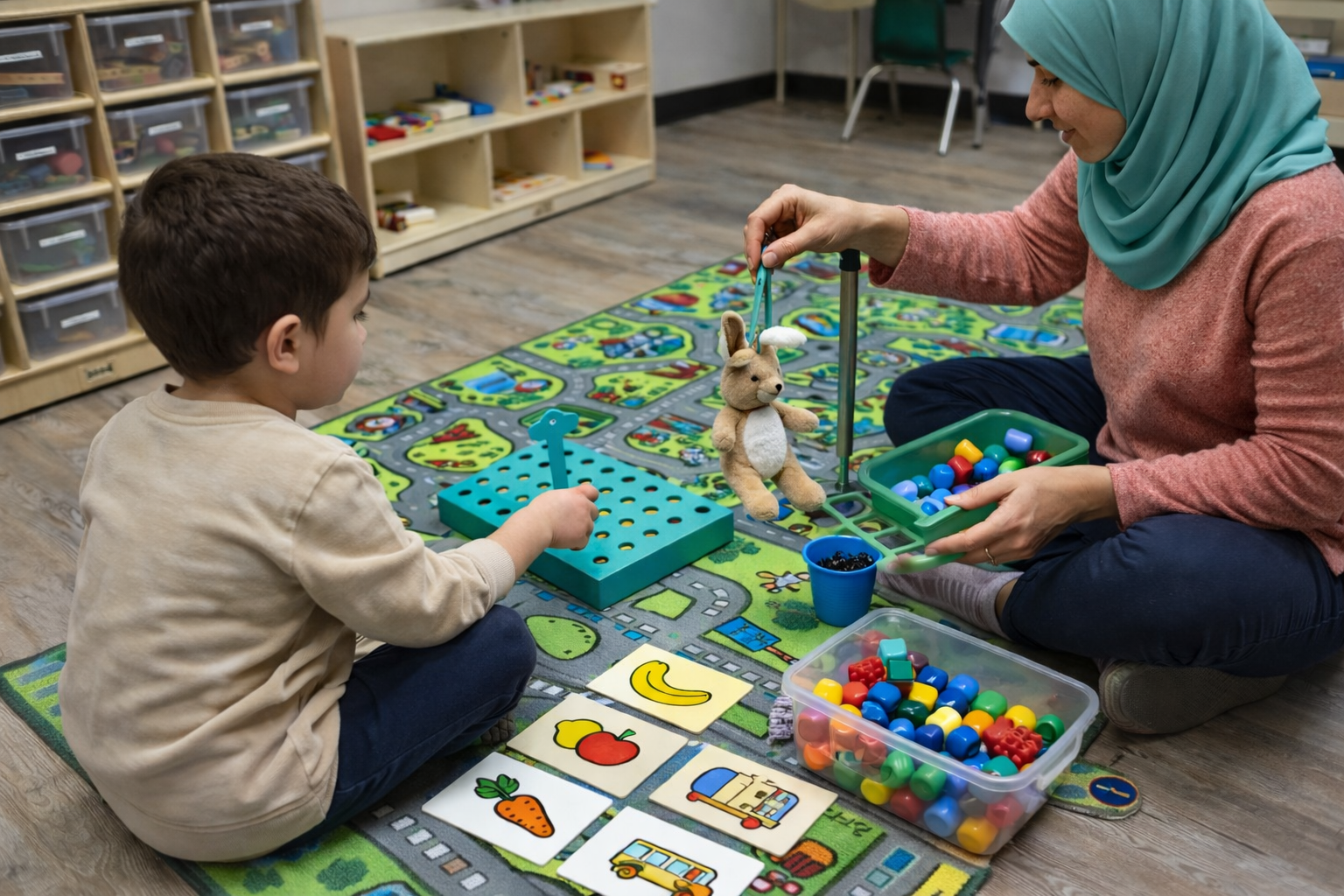
Child-centered care means following your child’s lead—turning play into powerful learning.
Child Centered

We track progress every step of the way, using data to guide decisions and ensure your child is always moving forward.
Data Based

Parent partnership is integral to supporting each child’s growth every step of the way.
Family-Centered

Why Families Trust Brookside
Brookside’s Commitment to Every Child’s Success
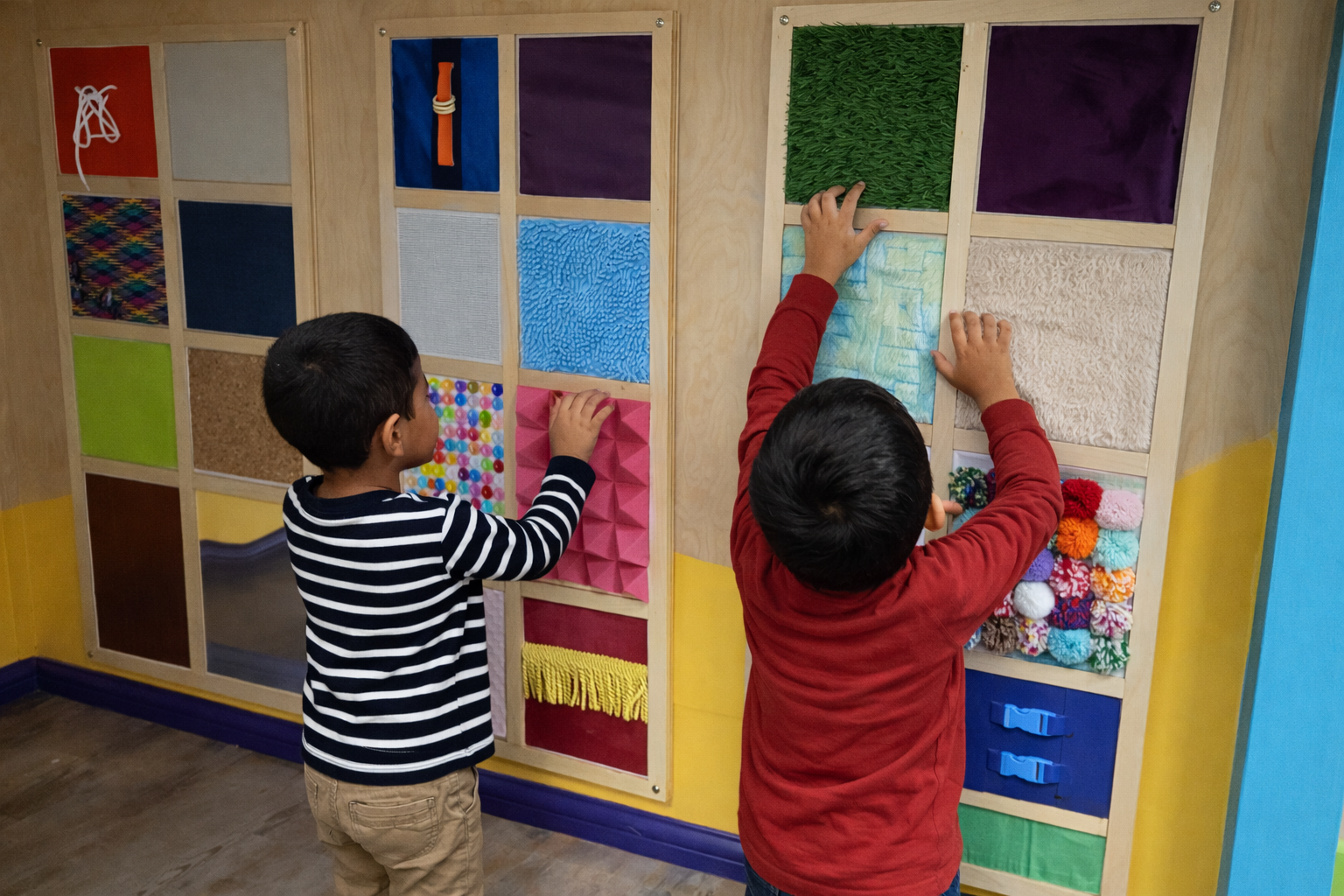
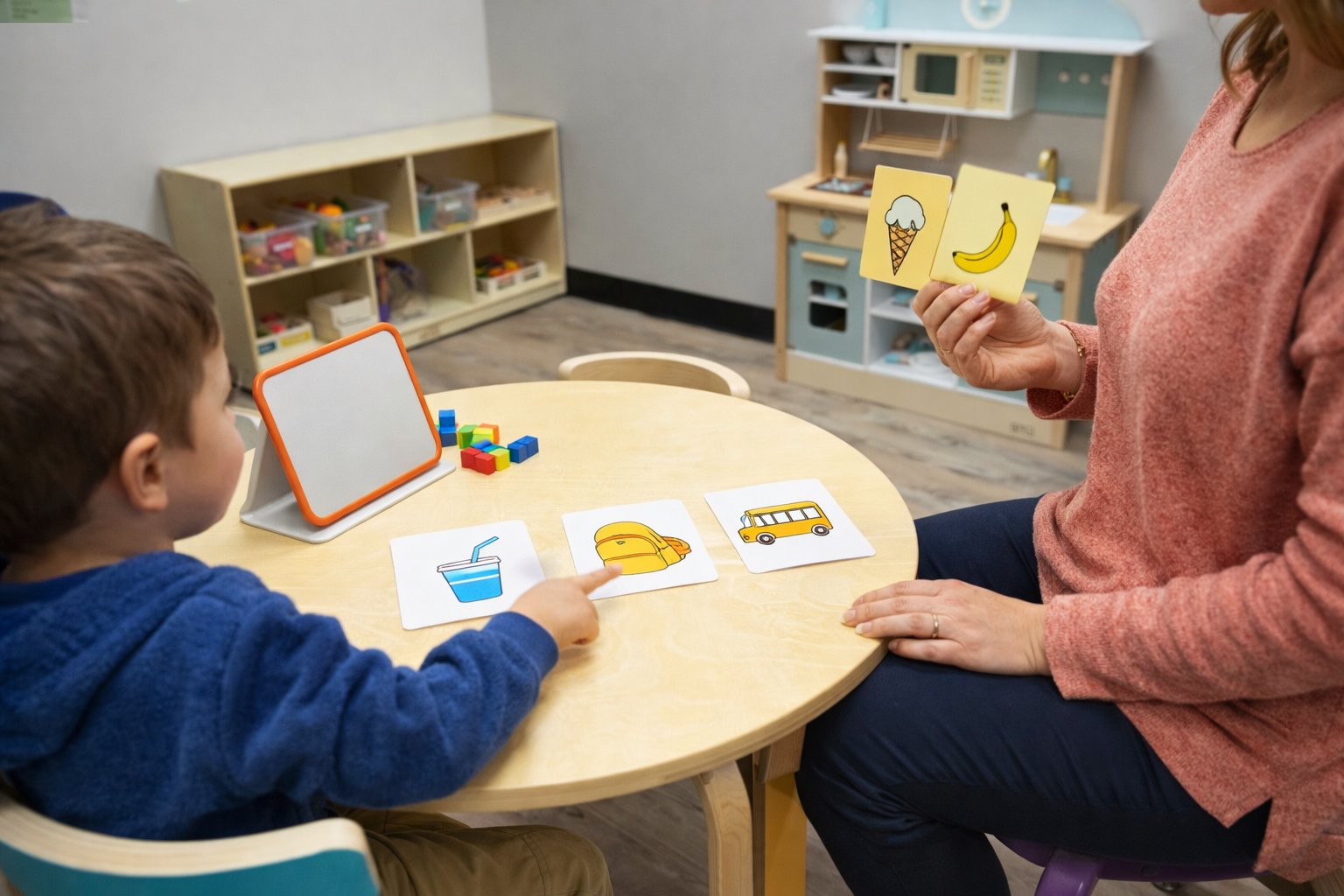
At Brookside, we take a child-centered, play-based approach to therapy—helping children build communication, motor, and social skills while growing in confidence and independence. Through engaging, natural learning experiences, we support meaningful progress that carries into everyday life.
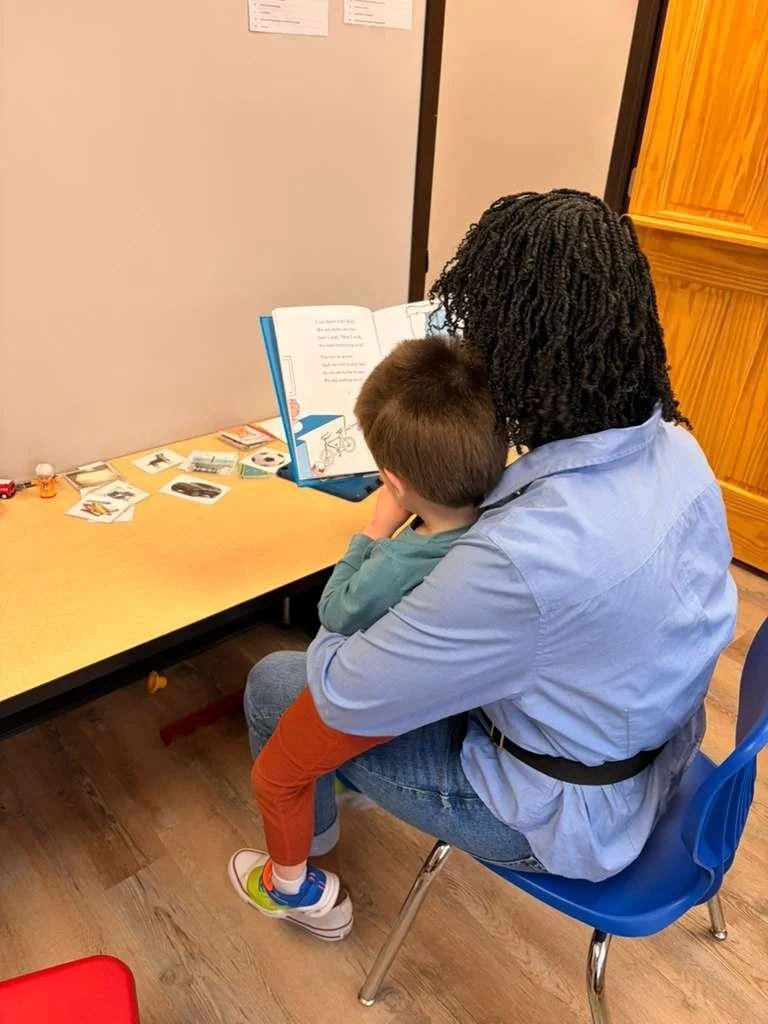
Collaborative care: ABA, speech, and occupational therapy all in one place

Personalized attention: Smaller caseloads mean more time with your BCBA
Play-based environment: A space where children feel excited to learn and grow
High-quality care: Ongoing training and support for both our team and your child
Flexible options: Services available
in-clinic and in the community
Let's unlock your child's full potential.
Take the first step, and we’ll reach back shortly.